
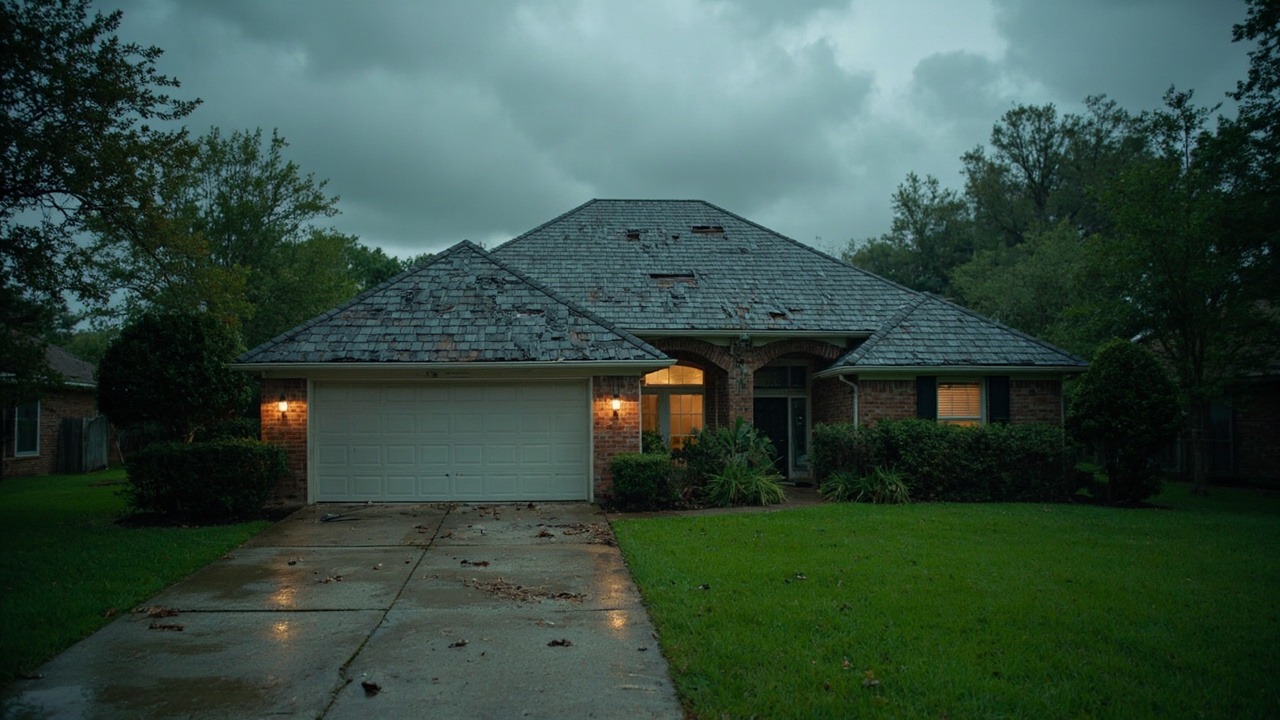
Learn how roof insurance claims actually work, when filing may make sense, and how to understand storm damage before making a decision.
What Happens After a Storm
After a big storm, things can get confusing quickly.
Neighbors are talking about insurance claims, contractors start knocking on doors, and suddenly you’re wondering whether your roof actually has damage—or whether filing a claim even makes sense in the first place.
At the same time, you may hear completely different opinions from different people. One company says you need a full replacement, another says everything looks fine, and now you’re stuck trying to figure out what’s real and what’s not.
Why Insurance Claims Get Confusing
One of the biggest reasons homeowners get confused about roof insurance claims is because every situation is different.
Just because your neighbor got a new roof approved by insurance doesn’t automatically mean the same thing will happen for you. Storms can hit different parts of a neighborhood differently, and factors like tree coverage, roof age, roof condition, and even the direction of the storm can all affect the amount of damage a roof actually receives.
Insurance policies can also vary quite a bit from one homeowner to another. Some policies provide broader coverage, while others may have limitations based on the age or condition of the roof.
On top of that, the way damage is documented matters. Two people can look at the same roof and explain things very differently, which is why homeowners often hear conflicting opinions after a storm.
That’s what makes the process feel overwhelming sometimes. There are simply more variables involved than most people realize.

What Insurance Companies Actually Look For
In most cases, insurance companies are looking for damage caused by a specific event like hail or wind—not normal aging or wear over time.
They’ll typically evaluate whether the damage affects the functionality of the roof, whether repairs are possible, and what overall condition the roof was in before the storm happened. Things like roof age, previous repairs, and general wear can all play a role in how a claim is reviewed.
That’s also why documentation matters so much.
During our inspections, we document the roof thoroughly with photos, notes, and walkthrough videos so homeowners can clearly see what’s actually there. This helps create a much clearer picture of the roof’s condition instead of relying on guesswork or vague explanations.
At the end of the day, the goal is to understand whether there’s legitimate storm-related damage and what options actually make sense moving forward.
Professional roof inspection scene, friendly clean-cut salesman wearing fitted black polo shirt, medium-length dirty blonde hair, neat short beard, crouching on one knee while closely inspecting standard weathered asphalt shingles with subtle flat texture on residential Texas roof, focused inspection posture, natural daylight, realistic documentary photography style, same salesman appearance across all images.

When Filing a Claim Might Make Sense
If your roof has clear signs of storm-related damage, it may make sense to at least have the situation documented and evaluated before deciding what to do next.
Common signs may include:
- Missing or lifted shingles
- Leaks that appeared shortly after a storm
- Visible hail impact
- Damage affecting multiple areas of the roof
- Storm-related issues that may exceed normal repair costs
In some cases, the cost of repairs may be significant enough that it’s worth exploring whether insurance coverage applies.
That doesn’t automatically mean a claim should be filed right away, but it does mean it’s important to understand the actual condition of the roof before making assumptions either way.
That’s why inspections and documentation matter first. Once you can clearly see the damage and understand the scope of the issue, it becomes much easier to decide whether filing a claim even makes sense.
When Filing a Claim May NOT Make Sense

Not every roof issue needs to turn into an insurance claim.
Sometimes the damage is isolated, minor, or simply part of the normal aging process of the roof. In those situations, a straightforward repair may make more sense than involving insurance.
Deductibles are also becoming a much bigger factor, especially in Texas where many homeowners are now moving toward 2% deductibles. On a $500,000 home, that could mean a $10,000 deductible before insurance contributes anything toward a replacement.
If the roof truly needs to be replaced, financing options may still make that manageable. But if the issue is relatively small or repairable, it may not make sense to go through the claims process at all.
That’s why it’s important to understand the actual condition of the roof first instead of assuming every storm automatically means filing a claim.
Common Misconceptions About Insurance Claims
One of the biggest misconceptions homeowners have is assuming that because someone nearby got a roof approved, the same thing will automatically happen for them.
In reality, every roof, every policy, and every situation is different. Two homes on the same street can experience very different levels of storm impact depending on roof age, tree coverage, previous repairs, and even the direction the storm moved through the neighborhood.
Another common misconception is that insurance covers old roofs simply because they’re worn out. In most cases, insurance is looking for damage caused by a specific event like hail or wind—not normal wear and tear over time.
There’s also a belief that hail automatically means a full roof replacement, but that isn’t always the case. Some roofs may have repairable damage, while others may have little to no functional damage at all.
That’s why the most important step is understanding the actual condition of the roof before making assumptions about what insurance will or won’t do.
What This Actually Means
Roof insurance claims can feel overwhelming, especially after a major storm when everyone seems to have a different opinion.
The most important thing is not assuming you automatically need a claim—or automatically don’t.
A good inspection should help you clearly understand the condition of your roof, whether there’s legitimate storm-related damage, and what options actually make sense for your situation.
Once you can see what’s really going on, it becomes much easier to make a confident decision without feeling pressured in either direction.
What To Do Next
If your roof was recently exposed to a storm and you’re unsure whether there’s damage, the best next step is simply getting a clear understanding of the roof’s condition.
Our walkthrough process is designed to help homeowners see what’s actually going on instead of relying on guesswork or conflicting opinions. We inspect the roof directly, document what we find, and walk through everything with you so you can understand your options clearly.
From there, you can decide what makes the most sense—whether that’s a repair, further documentation, or exploring whether filing a claim is even worth considering.