
You just got hit with a big rainstorm and now there’s a leak inside. You’re grabbing buckets, trying to contain it, and wondering what to do next.
Or maybe you noticed a few shingles blown off your roof and you’re not sure if it’s a small issue or something more serious.
Either way, you know you need someone to take a look—but you’re not exactly sure what happens once they show up.
Why Inspections Matter
Most people don’t think much about their roof until there’s a problem—and even then, it’s hard to tell how serious it actually is.
What seems like a small issue can turn into something bigger over time, which is why having someone take a closer look can make a big difference.
What Actually Happens During an Inspection
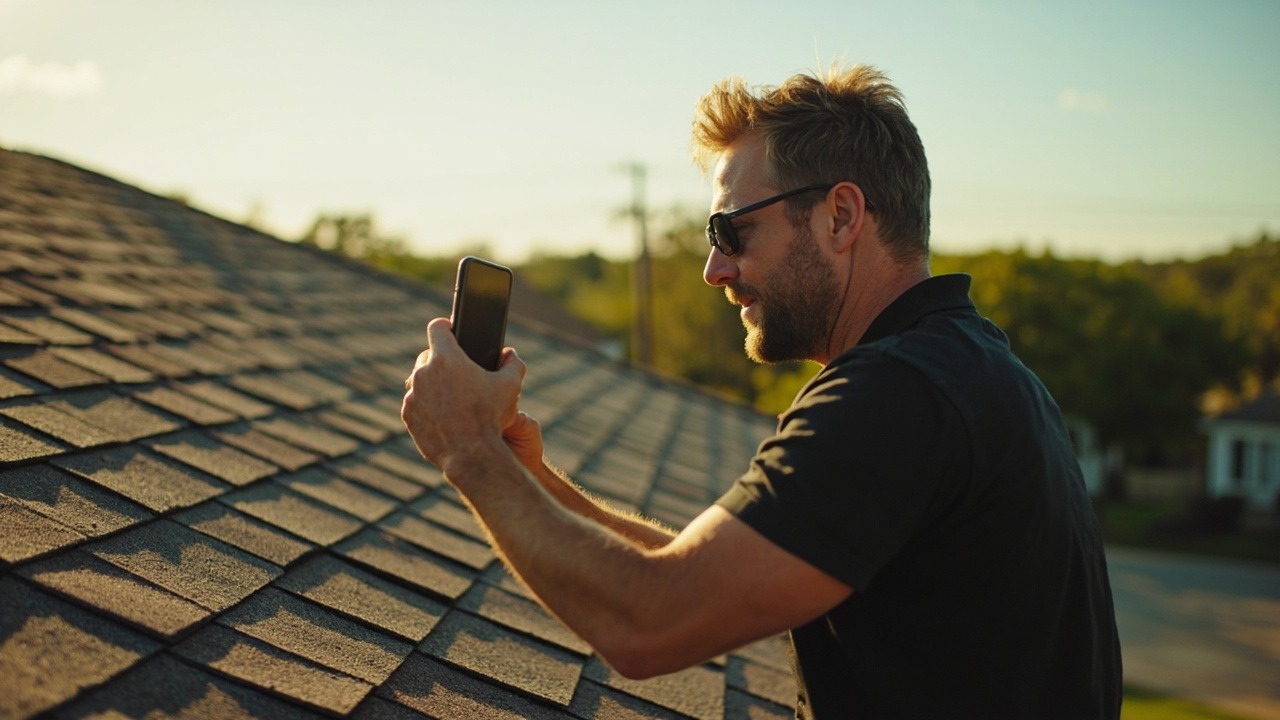
When we arrive, we get up on the roof and take a close look at the areas that commonly cause problems—things like roof vents, flashing, chimneys, skylights, and other roof penetrations.
We’re checking to make sure everything is sealed properly, installed correctly, and not showing signs of storm damage, wear, debris buildup, or other issues that could lead to leaks over time.
As we inspect the roof, we document everything with photos inside our inspection software so we can get a full picture of what’s going on.
Once we understand the condition of the roof, we do our guided walkthrough. This is a dual-camera video where you can see both the roof and the salesperson explaining everything in real time, so it feels like you’re up there with us.
When we come down, we sit with you and walk through the video together. The walkthrough includes subtitles so it’s easy to follow along and understand what we’re seeing.
From there, we’ll explain your options and help you decide what makes the most sense.
What Most Companies Do vs. What We Do
A lot of companies rely heavily on drones to inspect roofs. While drones can help provide an overhead view, they don’t always capture the close-up details that matter most when it comes to wear, sealing, or smaller problem areas.
Most homeowners are also used to someone taking a few photos, coming back down, and simply telling them what’s wrong—or handing them a report filled with technical terms and hoping it makes sense.
Our process is different because we focus on showing instead of just telling.
That’s why we use a guided walkthrough where you can actually see the roof with us in real time while we explain what we’re looking at and why it matters.

What You Should Walk Away With
By the end of the inspection, you should understand what’s actually going on with your roof—even if you’ve never dealt with roofing before.
You should be able to clearly see whether something looks good, whether there’s a problem, and whether it’s something minor or more serious.
Most importantly, you should walk away understanding your options and what steps you can take next to fix the issue the right way.
There shouldn’t be pressure to immediately move forward, and there definitely shouldn’t be pressure to jump straight into a roof replacement if it’s not necessary.
What This Actually Means
A good roof inspection should help you understand your roof—not leave you more confused than when you started.
You should know what’s going on with your home, what condition the roof is in, and whether there’s actually something that needs attention.
Your roof is what protects your home and your family from the elements, so being able to actually see its condition for yourself changes everything.
What To Do Next
If you think something might be wrong with your roof—or you simply want to understand its condition better—the best next step is to have it looked at properly.
Our walkthrough process is designed to give you a clear understanding of what’s going on without pressure or guesswork. We’ll inspect the roof, document what we find, and walk through everything with you so you can actually see the condition for yourself.
From there, you’ll understand your options and can decide what makes the most sense for your home.