Learn why roofing prices sometimes change during a project, what causes change orders, and how clear communication helps homeowners avoid surprises.
The Big Concern
One of the biggest concerns homeowners have when repairing or replacing a roof is whether the final price is actually going to match the original estimate.
Most people have either heard stories—or experienced situations themselves—where a project started at one number and somehow ended much higher by the time the work was finished.
That naturally makes homeowners cautious. Nobody wants to feel blindsided by surprise charges, vague explanations, or sudden change orders halfway through a roofing project.
At the same time, roofing projects can sometimes uncover conditions that simply weren’t visible during the initial inspection.
The important thing is understanding the difference between legitimate unforeseen issues and poor communication or bad business practices.
Why Roofing Prices Can Change
A roof inspection can reveal a lot, but there are still parts of the roofing system that simply aren’t fully visible until materials are removed and the project begins.
In some cases, hidden water damage, deteriorated decking, or structural wear underneath the shingles may only become apparent once the roof is opened up.
There are also situations where previous repairs were done incorrectly, ventilation issues were hidden, or multiple layers of roofing materials were installed over time without being fully visible during the initial inspection.
Sometimes local code requirements or installation conditions can also affect the scope of work once the project is underway.
That doesn’t mean pricing should constantly change unexpectedly, but it does mean that roofing projects occasionally uncover conditions that couldn’t reasonably be confirmed beforehand.

Common Situations That Cause Change Orders

Some of the most common reasons roofing projects change in scope include issues that were hidden beneath the surface and couldn’t reasonably be confirmed during the initial inspection.
Common examples include:
- Rotten roof decking
Water intrusion over time can weaken the wood underneath the shingles, and damaged decking often needs to be replaced before new roofing materials can be installed properly. - Hidden leak damage
Some leaks travel underneath roofing materials or inside attic spaces, making the full extent of the damage difficult to see until work begins. - Multiple layers of old roofing
Occasionally, older roofs have additional layers installed underneath the visible shingles, which can increase labor and disposal requirements. - Improper previous repairs
Prior patchwork or incorrect installations may need to be corrected in order for the new repair or replacement to function properly. - Damaged flashing or ventilation components
Chimney flashing, roof vents, and other accessories sometimes need replacement if they’re worn out or improperly installed. - Code-related upgrades
In certain situations, local building requirements may require additional work to bring parts of the roofing system up to current standards.
Most homeowners would have no realistic way of identifying these issues from the ground, which is why clear communication during the project matters so much.
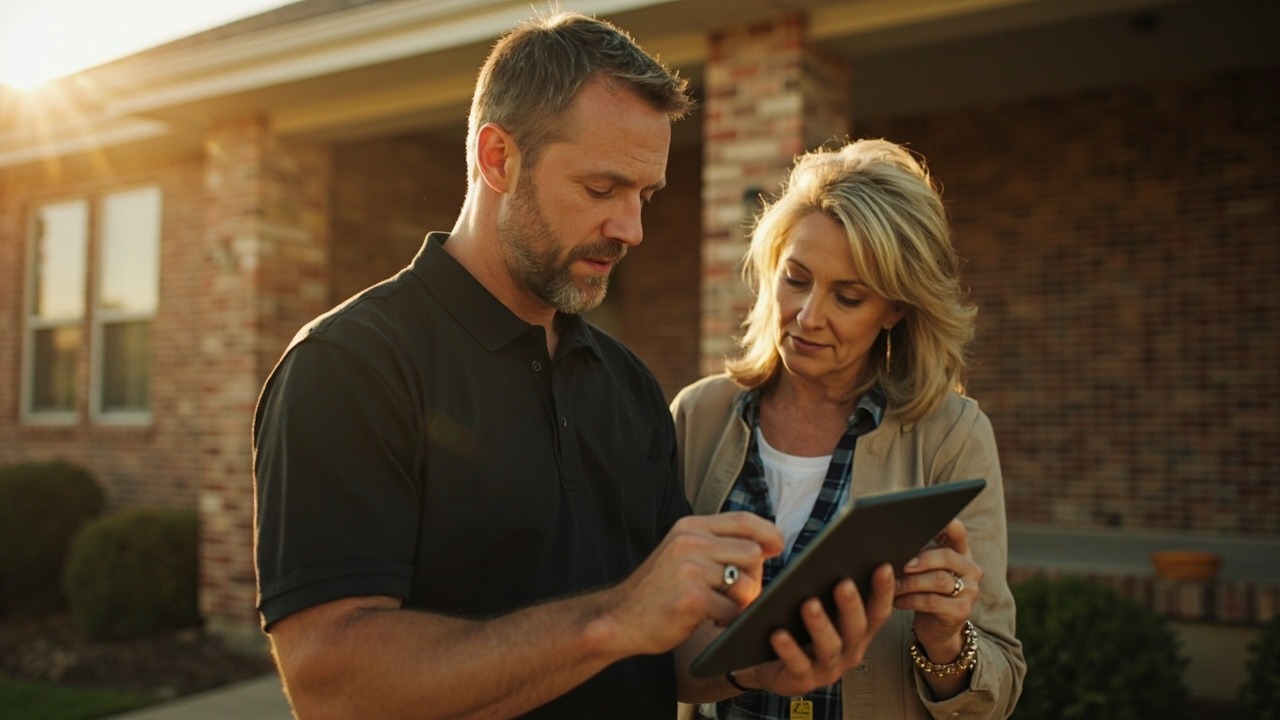
Friendly clean-cut salesman wearing fitted black polo shirt, medium-length dirty blonde hair, neat short beard, standing beside older male homeowner outside suburban Texas home, both reviewing roofing project documentation together on tablet, homeowner focused on tablet screen, calm realistic interaction, documentary photography style, natural daylight, same salesman appearance across all images.
How Good Companies Prevent Surprises
The issue usually isn’t discovering a problem during a roofing project—it’s how that situation is communicated and handled.
A good roofing company should take the time to inspect thoroughly, document what they find clearly, and explain any concerns in a way homeowners can actually understand.
That’s why our process focuses heavily on documentation and walkthroughs from the beginning. We photograph the roof carefully, document conditions inside our software, and use guided walkthrough videos so homeowners can actually see what we’re seeing instead of just being handed a vague explanation.
If additional issues are discovered during a project, homeowners should be shown the problem clearly, understand why it matters, and know what options they have before additional work moves forward.
Clear communication and transparency are what prevent most surprise situations from becoming stressful in the first place.
Red Flags to Watch Out For

Not every pricing change is a bad sign—but poor communication usually is.
Homeowners should feel comfortable asking questions and understanding exactly what work is being recommended and why.
A few common red flags include:
- Vague estimates with little detail
If the scope of work isn’t clearly explained, it becomes much harder to understand what you’re actually paying for. - Pressure to sign immediately
Major roofing decisions shouldn’t feel rushed or forced. - Large pricing changes without documentation
If additional work is needed, homeowners should be shown the issue clearly and understand why the change is necessary. - Little or no photo documentation
Good companies should be able to clearly show what they’re seeing on the roof. - Overpromising insurance outcomes
No contractor can guarantee insurance approval before the roof is properly evaluated and reviewed. - Difficulty explaining the work in simple terms
Homeowners shouldn’t leave conversations feeling more confused than when they started.
The goal of a good roofing process should be clarity and transparency—not pressure or uncertainty.
What This Actually Means
Roofing projects sometimes uncover issues that simply weren’t visible during the initial inspection, and that part is normal.
What matters most is how clearly those situations are explained to the homeowner.
You shouldn’t feel buried in roofing jargon, confusing paperwork, or vague explanations about why something suddenly changed. A good roofing process should help you clearly see what’s going on, understand why it matters, and know what options you actually have moving forward.
That’s why we focus heavily on photos, documentation, and guided walkthrough videos that show homeowners the roof in real time while we explain things in simple terms.
The goal isn’t to overwhelm people with technical information. It’s to create clarity so homeowners can make confident decisions without feeling blindsided or pressured.
What To Do Next
If you’re considering a roof repair or replacement and want to avoid confusion or surprise costs, the best first step is getting a clear understanding of the roof’s actual condition.
Our inspection and walkthrough process is designed to help homeowners see what’s going on before major decisions are made. We document the roof carefully, explain findings in simple terms, and walk through everything with you using photos and guided video so you understand exactly what’s being recommended and why.
From there, you can make an informed decision with a much clearer picture of the project, the condition of the roof, and the options available moving forward.